In our area, many homes are on septic systems rather than city sewer. While septic systems work very well when used properly, they can also be expensive to repair if misused. Understanding a few basics can save you stress, inconvenience, and unexpected costs.
This guide is designed to help tenants know what to do, what not to do, and why it matters.
What Is a Septic System?
A septic system treats wastewater from your home underground. Everything that goes down your drains—sinks, toilets, showers, laundry—flows into a septic tank where solids settle and liquids move into a drain field.
Unlike city sewer systems, septic systems have limits. They are not designed to handle excess waste, chemicals, or non-biodegradable items.
🚫 The Biggest Septic Rule: Only Flush Toilet Paper
This cannot be emphasized enough.
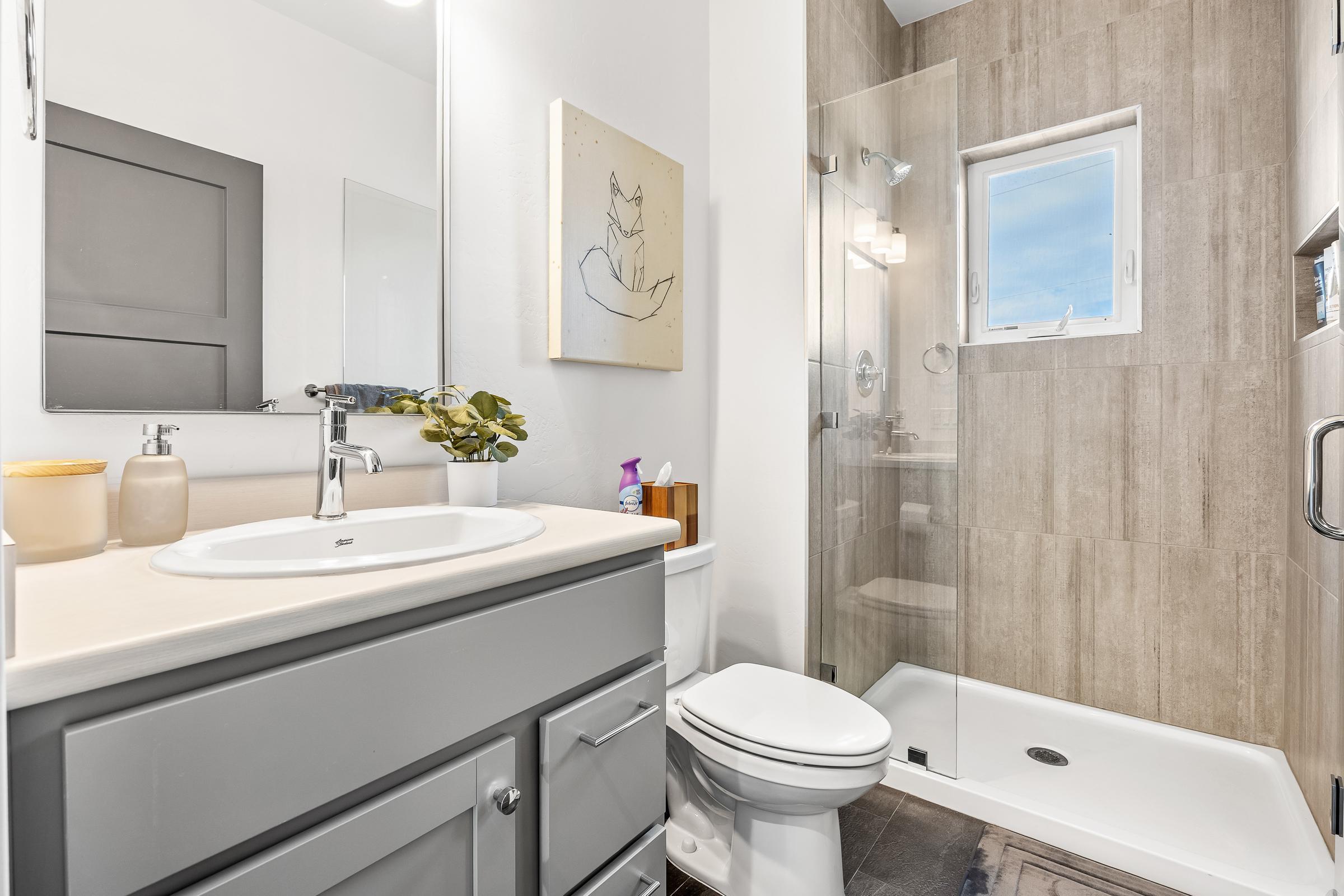
The ONLY thing that should be flushed down the toilet is:
Human waste
Toilet paper
That’s it.
Even items marketed as “flushable” are not septic-safe.
Items That Should NEVER Go Down the Toilet or Drain
Flushing or draining the following items can cause backups, damage, or system failure:
❌ Flushable wipes (baby wipes, cleaning wipes, makeup wipes)
❌ Paper towels
❌ Feminine hygiene products
❌ Diapers
❌ Cotton balls, pads, or swabs
❌ Dental floss
❌ Grease, fats, or cooking oils
❌ Coffee grounds
❌ Cat litter
❌ Harsh chemicals or excessive cleaners
These items do not break down properly and can clog or overwhelm the system.
Why Septic Issues Are a Big Deal
When a septic system fails, it’s not just an inconvenience—it can lead to:
Sewage backing up into the home
Unsanitary and unsafe living conditions
Emergency pumping or repairs
Temporary loss of water or bathroom use
Septic repairs can be very expensive, and in many leases, tenants may be held responsible if misuse causes the issue.
Signs of a Septic Problem
If you notice any of the following, report it immediately:
Slow drains throughout the home
Gurgling sounds from toilets or sinks
Sewage odors inside or outside
Water backing up into tubs or toilets
Wet or spongy areas in the yard near the tank or drain field
Reporting issues early can prevent much larger problems.
Tenant Responsibility Matters
Most leases include septic addendums outlining tenant responsibility for proper use. If damage or backups are caused by flushing prohibited items, tenants may be responsible for related service or repair costs.
Following the rules protects:
The home
Your lease standing
Your wallet
In Summary
✔ Only flush toilet paper
✔ Be mindful of what goes down drains
✔ Use water responsibly
✔ Report concerns early
Septic systems work great when respected—and cause major headaches when they aren’t.
If you ever have questions about your home’s septic system or notice something that doesn’t seem right, reach out sooner rather than later. Clear communication helps prevent costly surprises.