As a property management company, one of the most helpful things a tenant can do for their home—and for their own living experience—is let us know when something isn't quite right.
A dripping faucet, a small water stain, a toilet that seems to be acting differently, a furnace making an unfamiliar noise, or a door that suddenly isn't closing properly might not seem urgent. Sometimes, these really are minor issues.
But sometimes, they're the first sign of a much bigger problem.
That's why early reporting matters.
If You Notice It, Let Us Know
Tenants live in the home every day. You're often the first person who will notice that something has changed.
Maybe the furnace sounds different than it did last week. Maybe there's a small spot on the ceiling. Maybe the bathroom floor feels a little softer near the toilet. Maybe a sink is draining more slowly than usual.
You don't have to know what's causing the problem.
That's our job.
When you report an issue early, we can evaluate it and determine whether it needs immediate attention, routine maintenance, or simply monitoring.
The important part is giving us the opportunity to make that determination.
Please Don't Wait Until a Small Problem Becomes a Big One
Many maintenance problems don't start out as emergencies.
A small leak can become water damage.
A strange furnace noise can become a larger mechanical failure.
A slow drain can eventually become a backup.
A small roof leak can lead to damaged ceilings, insulation, or flooring.
Reporting an issue when you first notice it gives everyone a better chance of addressing the underlying problem before it becomes more expensive, disruptive, or difficult to repair.
It also gives our vendors more information to work with when they arrive.
One Important Request: Don't Downgrade the Repair
This is one of the most important things we can ask of our tenants:
Please describe the problem as accurately and completely as possible when submitting a maintenance request.
We understand that you may not know exactly what's wrong. That's okay.
In fact, it's better to tell us what you're experiencing than to try to diagnose the problem yourself.
For example:
"There's a little bit of water around the toilet."
is much more helpful than:
"The toilet needs to be tightened."
Or:
"There's a strange noise coming from the furnace when it starts."
is better than:
"Furnace needs a filter."
You may think you're helping by categorizing something as a minor repair, but unintentionally downgrading the issue can create problems later.
Why? Because We Use Your Description to Help Plan the Repair
When we receive a maintenance request, we use the information provided to determine:
- How quickly the issue needs to be addressed
- Which vendor or trade is appropriate
- What information to give the vendor
- Whether the vendor may need specific parts or equipment
- Whether additional time should be scheduled for the repair
If a repair is described as a simple issue, a vendor may arrive expecting a quick fix.
But what happens when they get there and discover the problem is significantly more involved?
The vendor may need to leave and return with additional parts. They may need to schedule additional time. Another contractor may need to be called. In some cases, the original repair appointment may have to be rescheduled altogether.
A little more information at the beginning can save a lot of time later.
Don't Hide the Problem—Our Vendors Will Find It
We also want tenants to know that there is no benefit to minimizing, hiding, or leaving out information about a maintenance issue.
Our vendors are experienced professionals. When they arrive at a property, they're going to assess what is actually happening and report their findings back to us.
For example, if you notice water around a toilet and submit a request saying the toilet simply needs to be tightened, but the vendor arrives and discovers a leaking seal or water damage, they're going to let us know what they found.
So please don't worry about whether a problem sounds "too big" or whether you're going to get in trouble for reporting it.
Our goal isn't to assign blame. Our goal is to understand what's happening and get the right solution in place.
The more honest and complete the information we receive from the beginning, the better we can respond.
A Maintenance Request Is Not Authorization to Repair
There's another important part of our maintenance process that tenants should understand:
Vendors cannot automatically repair everything a tenant asks them to repair.
When you submit a maintenance request, it comes to Novich Property Management first. We review the issue and determine the appropriate next step. Once we've communicated with the vendor and authorized the work, they can proceed with the repair.
This means that even if you tell a vendor directly, "While you're here, can you also fix this?" the vendor may not be authorized to do that work.
There may be several reasons for this. We may need to determine whether the repair is the owner's responsibility, whether additional approval is required, whether another vendor is better suited for the job, or whether the issue needs to be investigated further before work is performed.
So if you notice something while a vendor is already at your property, please let us know rather than asking the vendor to take care of it on the spot.
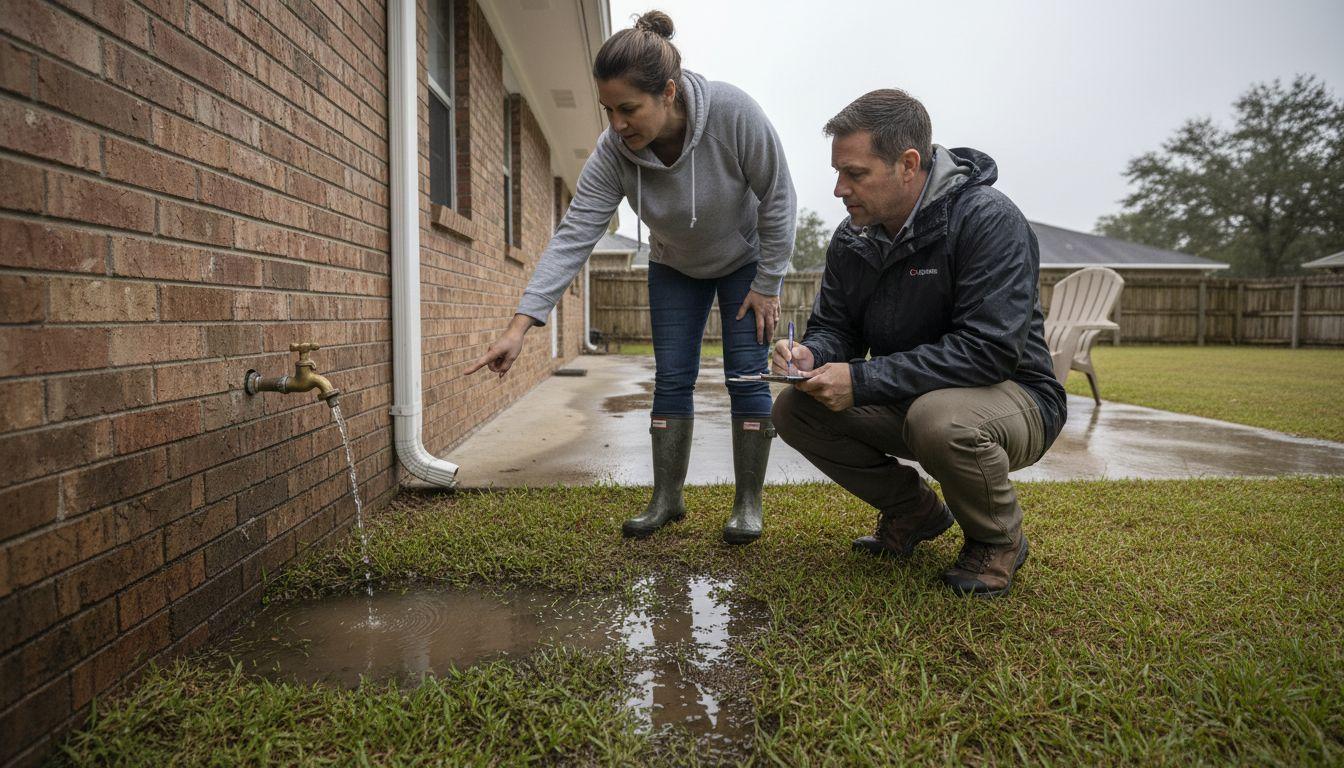
You can certainly point something out to the vendor so they can see what you're talking about, but the vendor needs authorization from Novich Property Management before performing additional work.
When in Doubt, Give Us the Details
You don't need to be a plumber, electrician, HVAC technician, or contractor.
Instead of trying to figure out exactly what's wrong, tell us:
What are you seeing?
What are you hearing?
When did you first notice it?
Is it getting worse?
Is anything leaking, leaking more, or not working at all?
Photos and videos can also be extremely helpful.
A short video of a strange furnace noise or a photo of a water stain can sometimes tell us more than a paragraph of description.
And if you're not sure whether something is worth reporting?
Report it anyway.
We would much rather have the opportunity to look into a small concern than find out about it after it has become a major repair.
Maintenance Is a Team Effort
Good property management isn't just about responding when something breaks. It's also about catching problems early and keeping properties in good condition.
That takes communication between everyone involved: the tenant, the property manager, and the vendor.
As a tenant, you play an important role because you're the person experiencing the home every day.
When you report problems promptly and accurately, you help us:
- Respond appropriately
- Get the right vendor involved
- Give vendors better information
- Reduce unnecessary return trips
- Prevent avoidable damage
- Keep repairs from becoming more disruptive than necessary
The Best Approach? Tell Us Everything.
If you notice one issue, but there are actually three things going on, tell us about all three.
If you're not sure what something is, describe what you're seeing rather than trying to diagnose it.
If a vendor discovers something different from what was originally reported, that's okay.
And if you notice something else while a vendor is already there, let us know so we can determine how to handle it.
You don't need to know what's wrong. You just need to tell us what you're experiencing.
We'll take it from there.
Bottom Line
You don't need to determine whether a maintenance issue is "big enough" to report.
If something changes, seems unusual, isn't working properly, or concerns you—let us know.
Don't wait until a small problem becomes an emergency. Don't minimize the issue because you think it will make things easier. And don't worry about trying to diagnose the problem yourself.
Give us the information you have, be honest about what you're experiencing, and let us coordinate the next step.
Because when it comes to property maintenance, the small problem you report today may be the big problem you prevent tomorrow.
At Novich Property Management, we'd always rather hear about it early.