
Pests in Your Rental: What’s Normal, What’s Not & How to Prevent Them
Living in Southwest Montana means experiencing all four seasons—and sometimes that means a few unwanted visitors trying to come inside with us.
As the weather changes in the spring and fall, it’s not unusual to notice an increase in insects around your home. Cooler temperatures can encourage bugs to look for warmer places to shelter, and an occasional spider, ant, beetle, or other insect making its way indoors doesn't necessarily mean there is a pest problem.
But there is a difference between an occasional bug and an infestation. Knowing that difference, along with taking a few simple preventative steps, can help keep your home comfortable and prevent small problems from becoming bigger ones.
Not Every Bug Means an Infestation
Seeing a few bugs in your home—particularly during seasonal changes—isn't necessarily cause for concern.
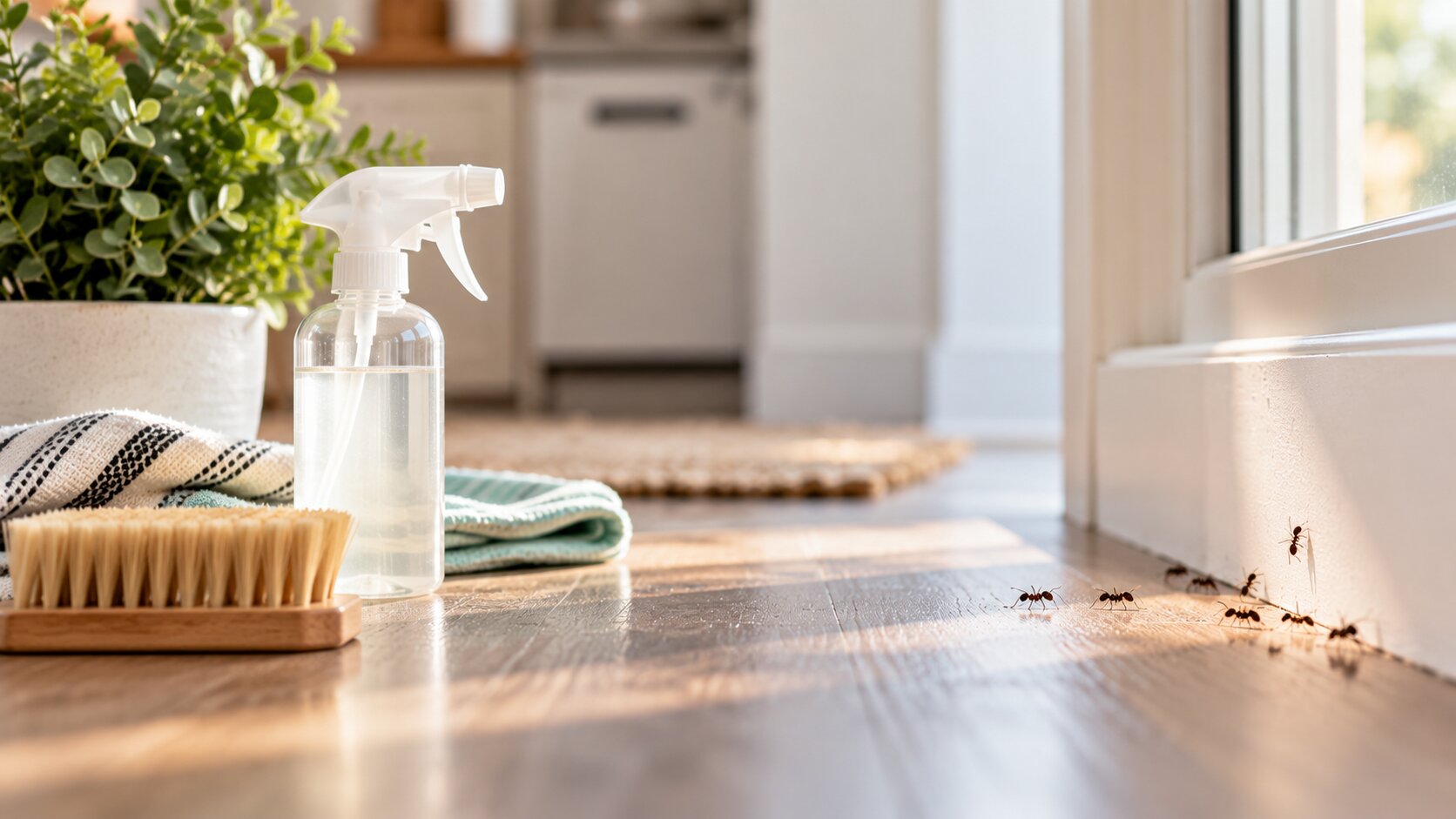
For example, you may notice an occasional spider in a basement, a few ants near a window, or insects appearing more frequently around doors and windows when temperatures start to drop. These types of seasonal occurrences can happen even in a clean, well-maintained home.
An infestation is generally more than simply seeing a bug or two. Signs that you may be dealing with an infestation can include:
Seeing a large number of pests or seeing them frequently
Finding pests in multiple areas of the home
Seeing pests repeatedly despite reasonable cleaning and prevention efforts
Finding evidence of nesting, breeding, or reproduction
Discovering droppings, eggs, shed skins, or other signs of ongoing pest activity
Noticing damage associated with pests
If you're seeing these types of signs, it's a good idea to reach out rather than simply hoping the problem goes away.
Prevention Starts With a Clean Home
One of the most effective ways to discourage pests is also one of the simplest: keep your home clean and eliminate the things pests are looking for—food, water, and shelter.
Regular household cleaning can make a big difference. A few good habits include:
Wiping up crumbs and spills promptly
Keeping countertops and food-preparation areas clean
Storing food in sealed containers
Taking garbage out regularly
Keeping trash cans closed
Cleaning up pet food and water dishes
Sweeping and vacuuming regularly, especially around eating areas
Keeping sinks and other areas as dry as reasonably possible
Reducing unnecessary clutter
Avoiding piles of cardboard, paper, or other materials where pests can hide
Keeping doors and windows properly closed or screened
This doesn't mean your home needs to be spotless every second of the day. Life happens! The goal is simply to maintain a reasonably clean and cared-for home and avoid creating an environment where pests can easily find food, water, or shelter.
What Is Considered Routine Tenant Responsibility?
General household pest prevention and routine maintenance are part of caring for a rental home.
If a pest issue is connected to housekeeping, food storage, garbage, clutter, or other conditions within a resident's control, addressing the problem may be the resident's responsibility.
For example, regularly leaving food uncovered, allowing garbage to accumulate, or failing to maintain reasonable cleanliness can create conditions that attract pests.
That said, not every pest issue is caused by housekeeping. Sometimes pests enter because of seasonal conditions, the surrounding environment, or an issue with the property itself.
That's why communication is important.
When Should You Contact Novich Property Management?
If you're seeing an occasional bug, especially during the spring and fall, there may not be anything unusual happening.
If you're seeing a significant increase in activity, repeated pest sightings, or signs of an established infestation, please reach out to me. I would rather know about a potential issue early than have it become a much larger problem later.
I'll work with you to determine what may be contributing to the issue and what the appropriate next step is.
If professional pest treatment is necessary, responsibility for that treatment will depend on the circumstances and the cause of the issue.
A Little Prevention Goes a Long Way
Pest control isn't just about what happens after you find a problem. Some of the most effective pest prevention happens through everyday habits.
Keeping food put away, cleaning up spills, taking out the trash, reducing clutter, and keeping your home reasonably clean can go a long way toward making your rental less appealing to unwanted visitors.
And if you do notice something that seems unusual, don't be afraid to reach out.
I'd much rather have you ask about a few bugs than wait until a small concern turns into a bigger one.
At Novich Property Management, my goal is to take care of the properties I manage while also helping residents understand how they can care for their homes. Good communication and a little prevention go a long way toward keeping your rental comfortable, healthy, and well-maintained.
A Simple Rule of Thumb
A bug here and there—especially during seasonal changes—isn't necessarily an infestation.
Repeated activity, large numbers, or signs of breeding or an established population are worth reporting.
When in doubt, reach out. I'm always happy to help you figure out whether something needs attention.