Protecting Your Investment Starts Before the Tenant Moves In
If there is one area of property management that I see create unnecessary frustration, disagreements, and sometimes costly mistakes for landlords, it is security deposits.
A tenant moves out, the landlord discovers damage or excessive cleaning, and suddenly there is a disagreement over what was already there, what happened during the tenancy, and what can legally be deducted from the security deposit.
Here is the problem: Without proper documentation from the beginning, it can be incredibly difficult to prove the difference.
I have seen how easily this situation can become a headache for property owners, and it is one of the reasons I put such a strong emphasis on detailed inspections and documentation at Novich Property Management.
A security deposit is intended to protect a property owner from certain financial losses. But collecting a deposit is only one part of protecting your investment. Knowing how to properly document the condition of your property, follow Montana law, and support any deductions is just as important.
Let's talk about what Montana law requires and why having a thorough inspection process matters.
What Does Montana Law Say About Security Deposits?
Montana has specific laws governing residential security deposits under Title 70, Chapter 25 of the Montana Code Annotated.
As a property owner, understanding these requirements is essential. A security deposit cannot simply be withheld because a property needs attention after a tenant moves out. There are rules governing what can be deducted, how the property must be documented, and when the remaining deposit must be returned.
Here are some of the important requirements Montana landlords should understand.
1. A Written Move-In Condition Statement Is Required
Under Montana Code Annotated § 70-25-206, a landlord who collects a residential security deposit must provide the tenant with a separate written statement documenting the present condition of the rental property when the lease is executed or the tenancy is created.
This statement must include:
A clear and concise description of the property's present condition, including conditions known to the landlord or those that should have been identified through a reasonable inspection.
A statement indicating whether the property has previously been rented, if it has never been rented before.
The signature of the landlord or the landlord's agent.
This is an especially important requirement.
Montana law also establishes that if a landlord fails to provide the required condition statement, the landlord may be barred from recovering damages or cleaning expenses unless they can establish by clear and convincing evidence that the damage occurred during that particular tenancy and was caused by the tenant or someone associated with them.
In other words, skipping the move-in documentation can put a landlord at a significant disadvantage when a dispute arises.
2. What Can Actually Be Deducted From a Security Deposit?
Under MCA § 70-25-201, landlords may deduct certain amounts from a security deposit, including:
Damage caused by the tenant.
Unpaid rent.
Unpaid utilities for which the tenant is responsible.
Applicable late charges and other money owed under the rental agreement.
Actual cleaning expenses, including a reasonable charge for the landlord's labor.
However, there is an important distinction between damage and normal wear and tear.
Normal wear and tear resulting from ordinary use of a home is not something a landlord can simply charge to a departing tenant.
For example, ordinary aging of flooring, minor wear from everyday living, or routine maintenance between tenancies generally should not be confused with tenant-caused damage.
A scratched floor, broken fixture, damaged door, or excessive cleaning resulting from a tenant's failure to maintain the property may be an entirely different situation.
The key is being able to establish the property's original condition and demonstrate what changed during the tenancy.
3. Cleaning Deductions Have Additional Requirements
Montana law also has specific requirements when it comes to cleaning charges.
Under MCA § 70-25-201, landlords generally must provide written notice identifying the cleaning the tenant failed to complete and the additional cleaning necessary to return the property to its condition at the beginning of the tenancy.
The tenant generally has 24 hours after proper delivery of that notice to complete the required cleaning.
There are exceptions, including situations involving a tenant who vacates without notice or certain court proceedings.
Landlords also cannot charge tenants for routine cyclical maintenance simply because it is performed between tenancies, unless the maintenance became necessary because of the tenant's negligence.
This is an important distinction. A landlord cannot automatically deduct the cost of their standard turnover cleaning or routine maintenance from every tenant's deposit.
4. Montana's Security Deposit Return Deadline
Under MCA § 70-25-202, landlords generally have 30 days following termination of the tenancy or surrender and acceptance of the premises, whichever occurs first, to provide the departing tenant with a written, itemized list of applicable rent, damage, and cleaning charges, along with the remaining security deposit.
There is also a 10-day return requirement when the inspection reveals no damage, no additional cleaning is needed, no rent remains unpaid, and the tenant demonstrates that there are no outstanding utilities owed.
Montana law also requires landlords to provide the refund through an allowable payment method and deliver the written accounting through the legally required notice process.
Failing to provide the required written list can have serious consequences. Under MCA § 70-25-203, a landlord who fails to provide the required list forfeits the right to withhold any portion of the security deposit for damages or cleaning.
These deadlines and procedures matter. Good documentation is important, but it does not replace the responsibility to follow the law.
Why Move-In and Move-Out Documentation Matters So Much
Here is where I believe many self-managing landlords run into trouble.
They collect a security deposit, hand over the keys, and maybe take a handful of pictures before the tenant moves in. Months or years later, when the tenant moves out, they discover damaged flooring, stained carpet, holes in walls, broken appliances, or excessive cleaning needs.
But what did those areas look like when the tenant moved in?
Was that scratch on the floor already there? Was the carpet stained before the tenant arrived? Was the damaged trim present during the previous tenancy?
Without a detailed record, it becomes a matter of one person's word against another's.
And that is not a position I want my property owners to find themselves in.
A thorough inspection should go far beyond a quick walk-through and a few pictures taken on a phone.
At Novich Property Management, I believe in documenting the details. That means looking at the entire property, room by room, and creating a record that can be referenced long after the initial inspection is complete.
How Novich Property Management Protects Your Investment
One of the things I take great pride in at Novich Property Management is the attention I give to the details that are easy to overlook.
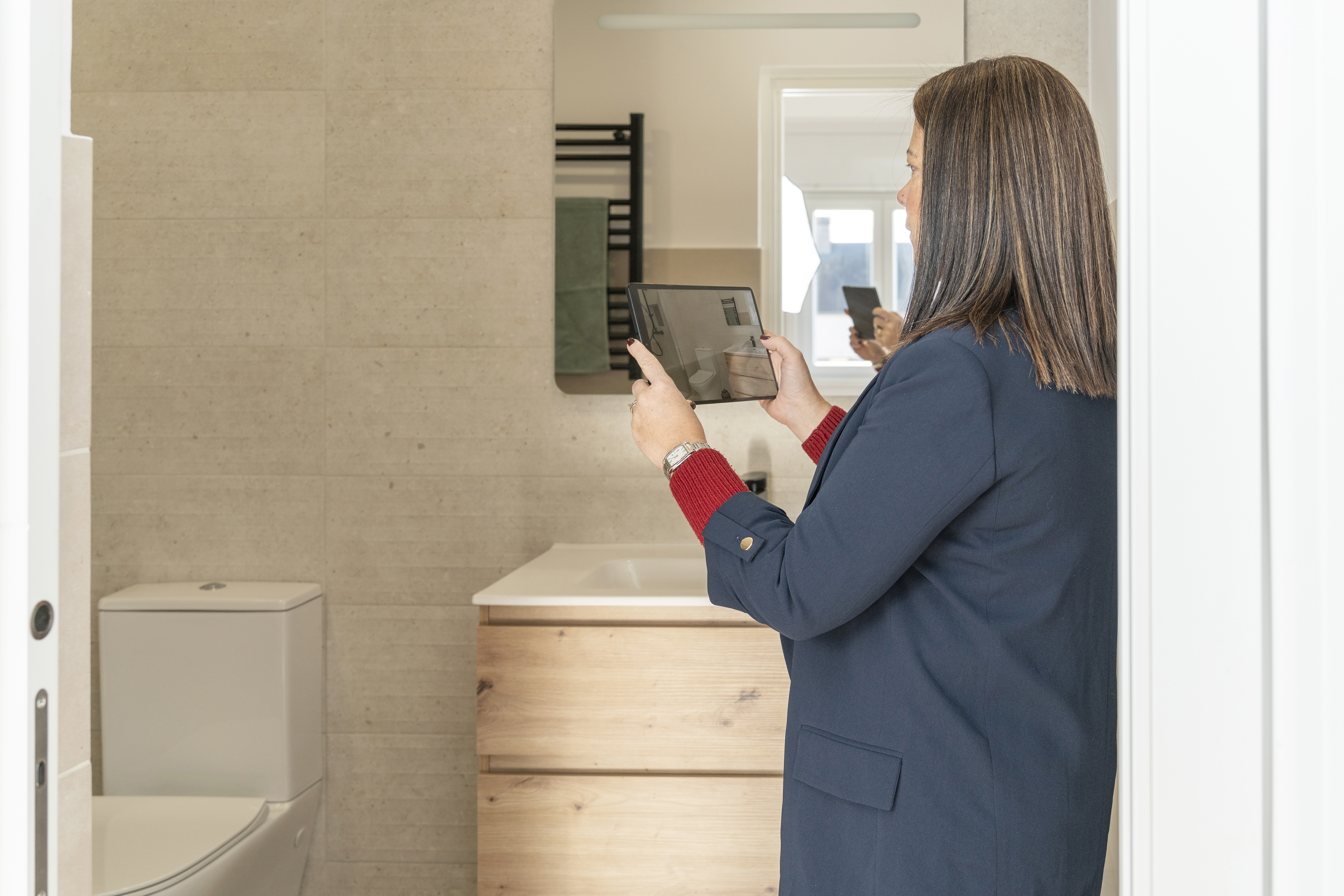
I personally handle property inspections, and I use a detailed inspection process to establish a clear record of a property's condition.
My move-in and move-out inspections include hundreds of photographs and videos when appropriate.
I document the property from top to bottom, including:
Walls, ceilings, trim, doors, and flooring.
Windows, window coverings, and screens.
Kitchen cabinets, countertops, appliances, and fixtures.
Bathroom fixtures, tubs, showers, sinks, and toilets.
Closets, storage spaces, and utility areas.
Light fixtures, outlets, and other visible features.
Exterior areas, landscaping, decks, garages, and outbuildings when applicable.
Existing scratches, stains, marks, wear, or other conditions that should be noted.
I also use RentCheck to help facilitate detailed move-in and move-out inspections.
This creates a much more complete picture of the property's condition than a basic checklist alone.
When a tenant eventually moves out, I can compare the final inspection against the original documentation, identify changes, and determine which items may qualify as tenant responsibility under Montana law.
Just as importantly, this process helps ensure tenants are treated fairly. If something was already present when they moved in, it should be documented as such. Nobody should be held financially responsible for damage they did not cause.
That is what good property management should look like: protecting the owner's investment while maintaining fairness and accountability for the tenant.
It's About More Than Just Security Deposits
Detailed inspections do more than help resolve disagreements at the end of a lease.
They help me identify maintenance concerns, monitor the overall condition of a property, recognize developing issues, and keep owners informed about the state of their investments.
A small issue documented early can often prevent a much larger repair down the road.
And when it comes time to turn a property over to a new tenant, having a detailed history of its condition makes the process much more organized and transparent.
I don't believe in cutting corners when it comes to the properties entrusted to my care.
A Little Prevention Goes a Long Way
Owning rental property is an investment, and protecting that investment requires more than finding a tenant and collecting rent each month.
It requires systems, consistency, attention to detail, and an understanding of the responsibilities that come with being a landlord.
Security deposit disputes are not always avoidable, but many of the problems that lead to them can be prevented with proper documentation and a thorough understanding of Montana's landlord-tenant laws.
At Novich Property Management, I take a hands-on approach to managing every property entrusted to me. From the initial move-in inspection to the final walk-through, I want my owners to know that their investment is being looked after with care and attention.
Because at the end of the day, protecting your investment starts with documenting what you have.
Is Your Rental Property Properly Protected?
Whether you own one rental home or a growing portfolio of investment properties, having the right management processes in place makes a difference.
If you are self-managing your rental and aren't confident in your inspection or security deposit procedures, or if you are considering professional property management in Southwest Montana, I would love to connect.
At Novich Property Management, you get personal attention, hands-on service, and the peace of mind that comes from knowing the details aren't being overlooked.